
NOTHING IS GUARANTEED
Nothing in life is guaranteed. Not even life itself.

A place for stories, thoughts, and everything in between.



I was born and raised in Tanta, Egypt, in a close family with a long history in the saddle-making business. I studied Business Administration in Egypt. At the age of 29, I moved to the United States and started a completely different chapter of my life.
When I came to the United States, I started again from the ground up. I first worked in warehouses and distribution, then in customer service. Later, I worked as a coffee shop server before moving into management, where I managed both a station and a coffee shop. I also worked as an Uber and Lyft driver and made deliveries for Pizza Hut. Each job introduced me to different people, different challenges, and a different side of everyday life in America.
My experience in America has not been the kind of success story people usually associate with immigration. Some things worked out and others did not. I made mistakes, changed direction, went through difficult times, and learned a lot along the way. I believe there is something to learn from a journey even when it does not go the way you planned.
Losing my sister was one of the most difficult turning points in my life. Her death came at a time when I was beginning a new job and also going through a divorce. The weight of both experiences left me emotionally out of balance for a period of time. I was entering a new workplace and meeting people who did not know me or understand what I was going through, and I believe some of them formed an impression of me during a time when I was simply not myself. It took me nearly three years to fully recover, regain my balance, and feel like myself again. That period changed the way I look at people, first impressions, and how little we sometimes know about what someone else may be carrying.
After returning to the saddle industry, I went through an experience that changed the way I looked at workplace behavior. I became interested in psychological manipulation, power, influence, and the ways people can affect each other without always realizing what is happening. That experience eventually became part of the inspiration for The Soft Guillotine.
I have always been an observer. I notice details. A word someone says, a change in tone, a gesture, or a reaction can catch my attention even when it looks like I am not paying attention. Most of the time, I keep those observations to myself.
I also question almost everything by nature, including myself. I like to understand things and their details before I form an opinion. I question my own thoughts and decisions just as much as I question anything else. For me, understanding something is more important than simply accepting it.
I read a lot and I am interested in many different subjects, including politics, economics, sports, science, and human behavior. I have my own views, but I do not expect everyone to agree with them. I prefer to think for myself rather than follow an opinion simply because it is popular.
Living in America has also taught me what it feels like to be underestimated. My English pronunciation is not always perfect, and people sometimes assume that means I do not speak or understand English well. That experience has made me more aware of how quickly we can judge someone based on a first impression.
I am a traditional person in many ways and probably a little old-school. I am very close to my family and my roots in Egypt. I believe in giving people chances, sometimes many chances. I can forgive many times before I finally decide to walk away. But dignity and self-respect are different. If I reach a point where I feel that my dignity is no longer respected, what I might lose by leaving becomes less important to me. By the time I walk away, I know that I gave the situation every chance I could. That is why I rarely regret leaving.
As I get older, I find myself wanting to share more of what I have learned from my experiences. I do not believe my life is a model for anyone to follow. That is part of the reason I want to share it. We hear a lot about successful journeys, but I believe there is also something to learn from the journeys that did not go as planned.
I believe everything in life is temporary. No matter how long we live or how much we have, one day we leave it all behind. To me, that does not mean we should care less about life or about other people. It means the opposite. How we treat people, the choices we make, and what we leave behind matter.
Writing has become one way for me to share some of my experiences, thoughts, and observations. Now I am getting ready to step away from the saddle industry and begin a new chapter in my professional life.
I do not know exactly where that chapter will take me. I am still figuring that out.

My journey has never followed a straight line. I grew up around craftsmanship, learning the art of traditional saddle making from my father and my older brother, both of whom played an important role in teaching me the craft. From them, I inherited not only the techniques of working with leather, but also patience, precision, and pride in doing things well.
Living and working in very different environments taught me lessons I could never have learned in a classroom. I met people from different backgrounds, cultures, and walks of life, and each experience gave me a different perspective. I learned how to adapt, how to communicate with different personalities, and how important it is to observe before making assumptions. Starting over also taught me humility. Titles and positions can change quickly, but the way you treat people and the way you carry yourself stay with you.
These experiences may seem unrelated, but together they shaped the way I think and work today. They taught me adaptability, humility, responsibility, and how much you can learn simply by listening to people and paying attention to the world around you.
I carry all of those lessons with me into everything I build today.

I have been an observer for as long as I can remember. Not necessarily the one asking the most questions out loud, but usually the one noticing more than I let on. I pay attention to details, to words, to tone, and to small contradictions, and I often keep those observations to myself.
I do not listen only to what people say. I also pay attention to body language and the small signals that can sometimes reveal more than words. It helps me see a broader picture.
I question things by nature, including myself. Not to judge, but to understand. Over time, this has taught me that the truth is rarely found on the surface, that people are far more complex than a first impression, and that misunderstandings often happen because we see only the present moment without knowing the full story behind it.
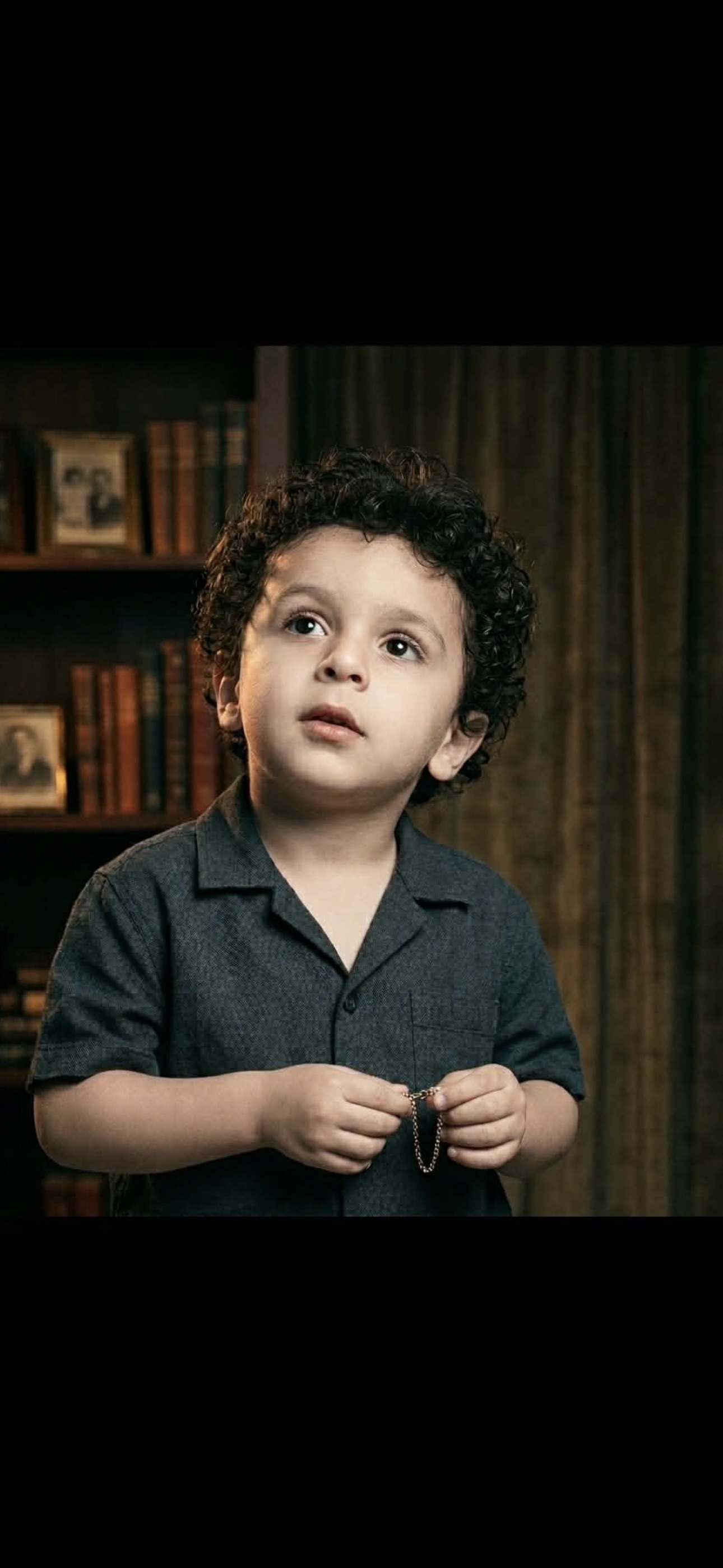
Craftsmanship taught me patience. Good work takes time, and anything worth doing well requires attention, discipline, and the willingness not to rush the process. It also taught me something I still believe today: quality comes before everything else.
I learned the craft from my father and my older brother, but my father taught me something beyond technique. Whenever he looked at something, no matter how well it was made, he would say, "It can be made better." That idea stayed with me. There is always another detail to improve, another solution to find, and another way to create. Creativity has no real limit.
I also learned that creativity is partly developed through experience, but some of it comes naturally. Technique can be taught and improved with time. The instinct to see something differently, imagine what it could become, and find your own way of creating it is harder to teach.
I was still young when I became highly skilled in the craft, and that taught me another lesson. Real ability gives a person a certain presence. In the world of saddles and horses, I could sit with people much older and more experienced than me and still have something valuable to contribute. Not because of my age or position, but because I knew my craft.
That stayed with me too. Real value does not need much introduction. Eventually, the quality of what you can do speaks for you.

I decided to write, not because I believe I have all the answers, but because I believe I have lived enough to know that there is something to learn from every experience, including the ones that did not go as planned.
Some people share their success stories, and there is a lot we can learn from them. But I believe there is just as much to learn from the wrong turns, the difficult years, the mistakes, and the decisions we might make differently if we had another chance. My own journey has not been a perfect example of how life should be lived, and that is exactly why I believe it is worth sharing.
I have always enjoyed questioning, investigating, reading, and thinking things through for myself. I like forming my own opinions rather than simply accepting what I am told. I do not expect everyone to agree with me, and I am not interested in telling people what to think. I would rather offer a perspective and let people decide for themselves.
At this point in my life, writing feels like a natural way to share some of what I have experienced, learned, questioned, and sometimes misunderstood along the way.
If something I share can help someone see their own experience from a different angle, avoid a mistake, ask a better question, or simply feel encouraged to think for themselves, then writing it was worth it.




Select the language first, then the format. The payment button is prepared for the selling/payment provider we connect next.
Select the language first, then choose eBook or paperback.
We received your institutional access request and will be in touch soon.
BACK TO INSTITUTIONAL EDITION—
Organizations can sign in, individuals can purchase the Institutional Edition paperback, and new organizations can request access.
Book page reserved for the forthcoming project.
Some lessons come from books. Others come from life, work, experience, silence, and the moments we pass through without realizing what they are teaching us.
Notes from the Road is a collection of observations and reflections gathered along the way. Not conclusions, not rules, and not advice. Just thoughts shaped by experience, people, places, mistakes, conversations, and time.
Some are simple. Some are uncomfortable. Some may change as I do. But each one reflects something I noticed, questioned, or learned somewhere along the road.
Nothing in life is guaranteed. Not even life itself.
Money comes and goes. People change. Good deeds remain.
Never ask to be valued. The moment you ask for it is the moment you lose it.
Falsehood remains false, even when the masses agree upon it. Truth remains true, even when only two disagree over it.
The shortest distance between two points is a straight line. The same story between people. If you have something to say, say it clearly. Intelligence is not in giving hints and expecting others to decode them. Real intelligence is being straightforward. It saves time, saves effort, and leaves less room for misunderstanding.
Mixed signs lead nowhere. They only cause confusion.
Treat people according to your character, not theirs.
The ugliest crime the law does not punish is taking people's feelings lightly.
Feeling ashamed of something you have done can be a form of honor. Shame means there is still a line within you that you know should not have been crossed. Those who have no sense of honor rarely feel ashamed of anything.
Because we are human, we will always make mistakes. What matters is understanding that every mistake has a price, and a good person should be fully aware of that price and willing to face it.
Never let your brother fall while you remain standing. Either you fall together or you stand together. That is brotherhood.
If they tell you humans are the smartest creatures on this planet, do not believe them. We are far more foolish than we like to think.
Your dignity comes first. Everything else comes after.
Love is the most beautiful thing in life. It can also be the worst thing in it.
Some tests are an insult simply by being offered. Whether you pass or fail them is beside the point. Sometimes, the real answer is refusing to take the test at all.
Not every battle you refuse to fight is an act of cowardice. Sometimes, wisdom is knowing which battles are beneath you.
Not every retreat is a defeat. Some battles are too dirty to be worth winning. Walking away without becoming part of the dirt is a victory in itself.
First impressions can be useful, but they are rarely enough. Time has a way of showing the difference between what people say, what they intend, and what they consistently do.
Sometimes the quietest table in a café tells the longest story. Two people can sit across from each other for an hour, barely speaking, yet everything between them seems to be part of the conversation.
There was a time when I felt the need to explain my position whenever someone misunderstood me. Eventually, I learned that some conversations deserve an explanation, while others deserve silence.
What we do for love can look remarkably similar to what we do out of stupidity.
Airports are strange places. Everyone is either arriving from something or leaving something behind. For a few hours, thousands of unrelated lives share the same corridors before disappearing in completely different directions.
A full calendar can create the feeling of progress. Sometimes the most important question is not how much I am doing, but whether any of it is taking me where I actually want to go.
Waiting reveals more about people than movement does. Some fill every empty second with a screen. Others watch the room. Some become impatient almost immediately. A few seem perfectly comfortable doing nothing at all.
Be with God, and fear nothing.
New information should sometimes change old opinions. Holding onto an idea simply because it was once mine makes little sense if experience has taught me something different.
A city early in the morning feels different. The buildings are the same and the streets have not moved, but the performance of the day has not started yet. For a brief moment, you see the place before everyone begins playing their part.
What someone says matters, but so do their expression, timing, posture, hesitation, and behavior. Sometimes the complete message is found in the combination of all of them.
Every neighborhood has someone who seems to belong to it more than the buildings do. The person behind the same counter, the man at the same corner, the woman walking the same route every morning. Remove them, and somehow the street feels different.
Sometimes, consequences are necessary, not to satisfy a desire for revenge, but to stop the demons among us from doing the same thing to someone else.
Some lessons cost time. Others cost money, relationships, opportunities, or peace of mind. The important thing is not to pretend the cost never happened, but to make sure the lesson was worth something.
The things people remember are rarely the grand gestures. Someone holding a door when your hands are full. A stranger giving directions without making you feel lost. A waiter remembering what you ordered yesterday. Tiny things, almost nothing, and somehow not nothing at all.
When something ends and you have to rebuild, it may feel like you are back at the beginning. You are not. You are beginning again with everything the previous experience taught you.
An empty chair can say surprisingly much. At a restaurant, a station, a hotel lobby, it makes you wonder who was there before, who is expected next, and how many stories pass through ordinary places without leaving any evidence behind.
My father told me: Die for your woman, but do not move a muscle over her.
Things that once seemed enormous can look very different after enough time has passed. Sometimes we do not need an immediate answer. We need enough distance to see the question clearly.
Getting lost teaches you something maps rarely do: how people respond when someone needs help. Some point without looking up. Some stop what they are doing. And occasionally, someone walks part of the way with you.
Other people can offer experience, knowledge, and perspective. But eventually, the consequences of a decision belong to the person who makes it.
There is something about watching the world through a window while moving. Places appear, exist for a few seconds, and disappear before you can know anything about them. Houses, roads, faces, fields. Entire lives reduced to glimpses.
If someone hesitates between choosing you and anything else, choose for them. Walk away.
Some experiences make no sense when we are inside them. Their meaning becomes clearer months or even years later, when we finally understand what changed because of them.
You start noticing that everyone carries something. Sometimes it is luggage. Sometimes responsibility. Sometimes a memory nobody around them knows exists. What we can see is usually the lightest part.
People behave differently when they know something is about to end. A conversation becomes more honest. A view becomes more beautiful. A place suddenly deserves one last look. Perhaps endings do not change things. They change our attention.
Forgive, and forgive again, and keep forgiving, so when it is time to leave, you will not regret it, and when it is time to seek revenge, you will have no mercy left in your heart.
Returning to the same place never really means returning to the same place. The street may be unchanged, the table may still be there, even the same song may be playing, but you arrive as a slightly different person.
What we see is often shaped by where we stand, what we have experienced, and what we expect to find. Two people can look at the same situation and walk away with completely different conclusions.
Observation & Perspective is about looking twice. At people, behavior, decisions, situations, and the small details that are easy to miss.
The purpose is not to decide who is right or wrong. It is simply to look beyond the obvious and consider what might change when we see something from another angle.
First impressions happen quickly. A face, a voice, a gesture, or a few words can create an immediate picture of someone in our minds. Sometimes that picture is accurate. Sometimes it tells us more about our expectations than it does about the person standing in front of us.
The same behavior can mean very different things depending on what surrounds it. Silence can be confidence, discomfort, respect, fear, concentration, or simply a person who has nothing to say. Without context, observation can easily become assumption.
There is a difference between noticing something and deciding what it means. The first requires attention. The second requires interpretation. The problem begins when we confuse the two.
Put several people in the same room and let them witness the same event. Later, you may hear several different versions of what happened. They are not necessarily lying. Attention is selective. We remember different details, interpret them differently, and build different stories from the same moment.
Two people can walk through the same street and notice completely different things. One notices architecture. Another notices people. Someone else notices security, movement, clothing, sounds, or expressions. What catches our attention can sometimes reveal something about what already occupies our minds.
One action can be accidental. Repeated actions begin to form a pattern. Watching patterns over time often tells us more than reacting to isolated moments.
We often form conclusions using only the information available to us. The difficulty is remembering that what we know may only be a small part of the complete picture. Sometimes the missing detail is the one that changes everything.
Being emotionally close to a situation can change how we see it. When enough time or distance passes, details that were invisible before can suddenly become obvious. The situation may not have changed. Our position has.
The more certain we become about our interpretation, the less likely we may be to notice information that contradicts it. Sometimes asking, “What if I am wrong?” is not doubt. It is a way of keeping observation honest.
The first look gives us information. The second look sometimes gives us understanding. People, situations, and even our own decisions can appear very different when we stop trying to confirm what we already believe and simply look again.
Power is not always loud, visible, or attached to a title. Sometimes it comes from authority, sometimes from knowledge, money, status, confidence, relationships, or simply from having something another person needs.
Influence can be just as subtle. It can change decisions without giving orders, shape behavior without creating rules, and affect a room without saying very much at all.
This section looks at the relationship between power, influence, pressure, and human behavior. Not to judge every use of power as good or bad, but to understand what people do when they have it, when they want it, and when they find themselves beneath it.
A person does not always need to exercise power for others to respond to it. Sometimes the simple presence of authority changes the way people speak, what they are willing to say, what they choose to hide, and even how they behave toward one another. Power can influence a room before a single instruction is given.
Not everyone wants power directly. Some people prefer proximity to it. Being trusted by someone influential, having access to information, or simply being seen as part of an important circle can create its own form of status. Sometimes people are not competing for the position. They are competing for the chair beside it.
A position can give someone authority. It cannot automatically give them respect. Authority can require compliance while a person is present. Respect can influence behavior even when they are absent. Confusing the two can make someone believe they are respected when people are simply responding to the power attached to their position.
One interesting way to understand power is not only to watch the person who has it, but to watch everyone around them. Who suddenly agrees? Who becomes quieter? Who becomes unusually helpful? Who changes their opinion? Who takes unnecessary risks to gain attention? Power reveals something about the people surrounding it as well as the person holding it.
Some of the most influential people in a group have no official authority at all. People listen to them because they are trusted, experienced, persuasive, connected, or capable of shaping how others interpret events. An organizational chart can show where authority sits. It does not always show where influence lives.
People often describe their values clearly when circumstances are comfortable. Pressure makes those values more expensive. When reputation, money, position, relationships, or personal interests are at risk, priorities become easier to see. What someone protects under pressure can sometimes tell us more than what they say they believe.
We often imagine power on a large scale: governments, corporations, wealth, or leadership. But small amounts of power can be just as revealing. Give someone control over a minor decision, access to information, authority over another person, or the ability to say yes or no, and sometimes you begin to see characteristics that were previously hidden.
Agreement is not always support. Silence is not always approval. And loyalty created by fear usually lasts only as long as the fear itself. When people cannot safely disagree, it becomes difficult for anyone in power to know which opinions around them are genuine.
Knowing something that others do not know creates an imbalance. Information can protect, persuade, control, negotiate, or manipulate depending on how it is used. Sometimes the most powerful person in a situation is not the one who speaks the most, but the one who knows the most and understands when to speak.
Power without challenge can gradually distort judgment. When nobody questions a decision, contradicts an assumption, or delivers uncomfortable information, confidence can slowly become certainty. And certainty, when combined with power, can make mistakes much harder to see.
Perhaps the most interesting question about power comes after it disappears. When the title is gone, the position changes, the money disappears, or the authority ends, who remains? The relationships that survive after the power is gone may reveal which ones were built around the person and which ones were built around what the person controlled.
We rarely meet a person exactly as they are. We meet the version they choose to show us.
People adjust themselves according to where they are, who they are with, what they want, what they fear, and what they believe is expected of them. Sometimes this is deliberate. Often, it happens without conscious thought.
Behind the Mask explores the distance between appearance and reality, between the identities we present to the world and the parts of ourselves we protect, hide, exaggerate, or sometimes do not fully understand ourselves.
Everyone presents a version of themselves. The professional version at work may be different from the person at home. The confident person in public may privately carry uncertainty. Someone who appears relaxed may be carefully controlling every reaction. This does not necessarily mean people are being dishonest. Human identity is more complicated than a single version of ourselves.
Every environment has expectations. A workplace expects professionalism. A family may expect strength. Society may expect success. Friends may expect humor or confidence. Over time, people can become so accustomed to meeting these expectations that the mask stops feeling like a mask at all.
People rarely hide things without a reason. Sometimes we hide weakness because we fear judgment. Sometimes we hide ambition because we fear appearing selfish. Sometimes we hide pain because explaining it feels harder than carrying it. What a person hides can sometimes be as revealing as what they show.
Confidence is not always loud, and insecurity is not always quiet. Sometimes excessive certainty, constant self-promotion, or the need to dominate a conversation can come from insecurity rather than confidence. The behavior may be visible. The reason behind it usually is not.
Human beings do not only want to exist. We often want to be recognized. Recognition can come through achievement, appearance, status, intelligence, humor, generosity, or even conflict. The desire to be noticed is not automatically vanity. Sometimes it is simply the desire to feel that our presence matters.
Pay attention to how personality changes depending on the room. A person may become quieter around one group and dominant around another. More humorous with friends, more cautious with family, more controlled at work. Perhaps the question is not which version is fake. Perhaps all of them are real.
Once people build an image of themselves, they often begin protecting it. The intelligent person may struggle to admit ignorance. The strong person may find it difficult to ask for help. The successful person may hide failure. The kind person may avoid expressing anger. Sometimes maintaining the identity becomes more important than being honest about what is actually happening.
Masks are easier to maintain when circumstances are predictable. Stress, anger, fear, exhaustion, jealousy, sudden success, or unexpected failure can interrupt the performance. In those moments, something normally controlled may appear. But even then, one moment should not necessarily be treated as the complete truth about a person.
The audience is not always other people. Sometimes we create stories about ourselves and then begin living inside them. We tell ourselves that we are strong, independent, unlucky, different, rational, misunderstood, or incapable of change. Eventually, the identity we created can begin controlling the choices we make.
Social media gave the human tendency to manage appearances a powerful new environment. A life can now be edited before anyone sees it. We choose the photograph, the moment, the opinion, the achievement, and sometimes even the emotion. The result may be real, but it is rarely complete.
Perhaps one of the simplest ways to think about identity is to remove the audience. No reputation to protect. No approval to gain. No role to perform. No expectation to satisfy. What remains when nobody is watching may not be the whole person either. But it may bring us a little closer to what exists behind the mask.
A workplace is more than a job description, a schedule, or a paycheck. It is a small social system with its own culture, expectations, pressures, relationships, and unwritten rules.
People bring ambition, insecurity, experience, pride, fear, loyalty, competition, and personal history into the same environment. The way those elements interact can shape the workplace as much as any official policy.
Workplace Dynamics looks at what happens between people at work, especially the things that are rarely written in a handbook but often determine whether an environment becomes productive, healthy, political, stressful, or difficult to understand.
A company can write values on a wall, print them in a handbook, or repeat them in meetings. But culture is usually revealed by what people are allowed to do repeatedly. What gets rewarded, ignored, tolerated, or quietly punished often says more about a workplace than the official message.
A title can give someone the right to make decisions. Leadership is what happens after that. People remember whether a leader was consistent, fair, calm under pressure, willing to listen, and capable of taking responsibility when something went wrong.
Not every performance problem begins with the employee. Unclear expectations, poor communication, conflicting priorities, weak training, inconsistent management, or constant changes can make capable people appear less capable than they really are. Before judging performance, it is worth looking at the system surrounding it.
Many workplace conflicts are described as personality problems when the real issue began with communication. Assumptions replace questions. Partial information becomes certainty. Messages move through several people and change along the way. A small misunderstanding can become a large problem simply because nobody stopped early enough to clarify it.
Most people want to know that their effort is noticed. Recognition does not always require money, promotion, or public praise. Sometimes a simple acknowledgment that someone did good work changes the way they feel about the entire environment. Being constantly overlooked can slowly change even a motivated employee.
Real or perceived favoritism can affect an entire team. Once people believe that opportunities, protection, or recognition depend more on relationships than performance, trust begins to weaken. And when trust disappears, people often stop giving more than what is required.
Pressure rarely stays in one place. When senior leadership is under pressure, managers may transfer it to supervisors, supervisors to employees, and employees eventually to one another. Understanding where pressure started can sometimes explain behavior that otherwise seems personal.
People may stay silent at work for many reasons. They may fear consequences, believe speaking will change nothing, want to avoid conflict, or simply decide that the issue is not worth the personal cost. A quiet workplace is not necessarily a workplace where everyone agrees.
Every workplace has an official structure and an unofficial one. The official structure has titles, departments, and reporting lines. The unofficial structure is built on trust, relationships, influence, experience, and information. Understanding both is often necessary to understand how the workplace actually operates.
Competition can motivate people to improve. But when employees begin competing for attention, protection, recognition, or access instead of competing through performance, the environment changes. Healthy competition improves the work. Unhealthy competition changes the relationships.
Problems will happen in every workplace. Mistakes, conflict, bad decisions, pressure, and disagreement are unavoidable. What people remember is how those moments were handled. Whether they were treated fairly, listened to, blamed immediately, protected, ignored, or given a chance to explain.
Sometimes it is difficult to understand a workplace clearly while you are still inside it. Distance can reveal patterns that once felt normal. After leaving, people may realize what they learned, what they tolerated, what they should have handled differently, and what they never want to repeat.
A historical adventure through time, mystery, and ancient Egypt.
Adam, an Egyptologist, begins noticing mysterious writings appearing on ordinary walls at specific moments. What first seems impossible gradually leads him to a series of hidden clues scattered across Egypt.
As the pieces come together, Adam discovers that they hold the key to traveling through different eras of ancient Egyptian history. What begins as a search for answers soon becomes something far greater, a journey across time with the fate and preservation of one of the world’s greatest civilizations at its heart.
Currently in development.
Artificial intelligence is changing the way we work, communicate, create, and make decisions. But behind its extraordinary potential are questions that deserve a closer look.
This future investigation will explore the growing influence of AI, the opportunities it creates, the risks it may carry, and the ways it could reshape our relationship with technology and with each other.
The goal is not to approach AI as either a promise or a threat, but to examine what is happening, question where it may lead, and understand what its rapid rise could mean for our future.
Exploring its impact, its risks, and our future.

For books, writing, projects, collaborations, or professional communication.
Last updated: August 2026
Welcome to Abdullah Elsokary’s website. This website is a personal and creative platform for books, articles, ideas, experiences, projects, and related works.
By accessing or using this website, you agree to these Terms & Conditions.
Unless otherwise stated, the original written content, books, articles, photographs, designs, audio materials, and other original works presented on this website are owned by Abdullah Elsokary or used with appropriate permission. They may not be copied, reproduced, republished, distributed, sold, or used commercially without prior written permission.
Brief quotations or references for commentary, review, educational, or other legally permitted purposes are allowed where applicable, with appropriate attribution.
Certain books or other works may be offered for purchase in digital, audio, or physical formats. Prices, available formats, languages, shipping availability, and other purchase information will be displayed before payment.
Purchasing a digital product gives you a personal license to use that copy. It does not transfer copyright or grant permission to reproduce, distribute, resell, upload, or publicly share the work unless expressly stated otherwise.
Physical books are subject to availability and applicable shipping limitations. Estimated delivery times, when provided, are estimates and may be affected by circumstances outside our control.
Organizations may be offered separate institutional licenses or access arrangements. The permitted number of users or copies and any additional conditions are determined by the applicable institutional agreement.
Articles, observations, opinions, and personal experiences published on this website are provided for general informational and expressive purposes. They should not be interpreted as professional legal, financial, medical, or other professional advice.
You agree not to misuse the website, interfere with its operation or security, attempt unauthorized access, use automated methods to abuse its services, or use its content in violation of applicable law.
The website may use or link to third-party services, including payment providers. Those services operate under their own terms and privacy policies.
These Terms may be updated when the website, its services, or applicable requirements change. The latest version published on this page will apply from its stated effective date.
Questions regarding these Terms & Conditions may be submitted through the Contact section of this website.
آخر تحديث: أغسطس 2026
مرحبًا بكم في الموقع الإلكتروني لعبدالله السكري. هذا الموقع منصة شخصية وإبداعية لنشر الكتب والمقالات والأفكار والتجارب والمشروعات والأعمال ذات الصلة.
باستخدامك لهذا الموقع، فإنك توافق على هذه الشروط والأحكام.
ما لم يُذكر خلاف ذلك، فإن المحتوى الأصلي المنشور على الموقع، بما في ذلك الكتابات والكتب والمقالات والصور والتصميمات والمواد الصوتية وغيرها من الأعمال الأصلية، مملوك لعبدالله السكري أو مستخدم بإذن مناسب. ولا يجوز نسخه أو إعادة نشره أو توزيعه أو بيعه أو استخدامه تجاريًا دون إذن كتابي مسبق.
ويجوز استخدام الاقتباسات القصيرة أو الإشارات إلى المحتوى لأغراض التعليق أو المراجعة أو التعليم أو غير ذلك من الاستخدامات التي يسمح بها القانون، مع الإشارة المناسبة إلى المصدر عند الاقتضاء.
قد يتيح الموقع شراء بعض الكتب أو الأعمال في صورة إلكترونية أو صوتية أو مطبوعة. ويتم عرض السعر والصيغة واللغة وإمكانية الشحن وأي معلومات أخرى متعلقة بالشراء قبل إتمام الدفع.
شراء نسخة رقمية يمنح المشتري حقًا شخصيًا في استخدامها، ولا يعني انتقال حقوق الملكية الفكرية أو منح الحق في نسخ العمل أو توزيعه أو إعادة بيعه أو رفعه على الإنترنت أو مشاركته علنًا، ما لم يُذكر خلاف ذلك صراحةً.
تخضع الكتب المطبوعة للتوافر ولقيود الشحن المعلنة. وأي مدة متوقعة للتوصيل هي مدة تقديرية وقد تتأثر بظروف خارجة عن سيطرتنا.
قد تتوفر للمؤسسات تراخيص أو ترتيبات وصول منفصلة. ويحدد الاتفاق المؤسسي عدد المستخدمين أو النسخ المسموح بها وأي شروط إضافية.
المقالات والآراء والملاحظات والتجارب الشخصية المنشورة على الموقع مقدمة لأغراض عامة وتعبيرية، ولا ينبغي اعتبارها استشارة قانونية أو مالية أو طبية أو مهنية متخصصة.
يلتزم المستخدم بعدم إساءة استخدام الموقع أو التدخل في تشغيله أو أمنه أو محاولة الوصول غير المصرح به إليه أو استخدام وسائل آلية للإضرار بخدماته أو استخدام محتواه بصورة تخالف القانون.
قد يستخدم الموقع خدمات مقدمة من جهات خارجية، بما في ذلك خدمات الدفع. وتخضع هذه الخدمات لشروط وسياسات الخصوصية الخاصة بالجهات المقدمة لها.
قد يتم تحديث هذه الشروط عند تغير الموقع أو خدماته أو المتطلبات ذات الصلة. وتسري أحدث نسخة منشورة في هذه الصفحة اعتبارًا من تاريخ نفاذها الموضح بها.
يمكن إرسال أي استفسار متعلق بهذه الشروط والأحكام من خلال قسم التواصل في الموقع.
Dernière mise à jour : août 2026
Bienvenue sur le site d’Abdullah Elsokary. Ce site est une plateforme personnelle et créative consacrée aux livres, articles, idées, expériences, projets et œuvres connexes.
En accédant à ce site ou en l’utilisant, vous acceptez les présentes Conditions générales.
Sauf indication contraire, les textes originaux, livres, articles, photographies, créations graphiques, contenus audio et autres œuvres originales présentés sur ce site appartiennent à Abdullah Elsokary ou sont utilisés avec l’autorisation appropriée. Ils ne peuvent être copiés, reproduits, republiés, distribués, vendus ou utilisés à des fins commerciales sans autorisation écrite préalable.
De courtes citations ou références à des fins de commentaire, de critique, d’enseignement ou pour tout autre usage autorisé par la loi sont permises lorsque cela s’applique, avec attribution appropriée.
Certains livres ou autres travaux peuvent être proposés à l’achat en format numérique, audio ou physique. Les prix, formats disponibles, langues, possibilités de livraison et autres informations liées à l’achat sont affichés avant le paiement.
L’achat d’un produit numérique vous accorde une licence personnelle d’utilisation de cet exemplaire. Il ne transfère aucun droit d’auteur et n’autorise pas la reproduction, la distribution, la revente, la mise en ligne ou le partage public de l’œuvre, sauf indication expresse contraire.
Les livres physiques sont soumis à disponibilité et aux restrictions de livraison applicables. Les délais de livraison indiqués, le cas échéant, sont des estimations et peuvent être affectés par des circonstances indépendantes de notre volonté.
Des licences institutionnelles ou modalités d’accès distinctes peuvent être proposées aux organisations. Le nombre d’utilisateurs ou d’exemplaires autorisés ainsi que toute condition supplémentaire sont définis par l’accord institutionnel applicable.
Les articles, observations, opinions et expériences personnelles publiés sur ce site sont fournis à titre général, informatif et expressif. Ils ne doivent pas être considérés comme des conseils juridiques, financiers, médicaux ou autres conseils professionnels.
Vous vous engagez à ne pas détourner l’usage du site, perturber son fonctionnement ou sa sécurité, tenter un accès non autorisé, utiliser des méthodes automatisées pour abuser de ses services ou utiliser son contenu en violation de la loi applicable.
Le site peut utiliser des services tiers ou contenir des liens vers ceux-ci, notamment des prestataires de paiement. Ces services sont régis par leurs propres conditions et politiques de confidentialité.
Les présentes Conditions peuvent être mises à jour lorsque le site, ses services ou les exigences applicables évoluent. La version la plus récente publiée sur cette page s’appliquera à compter de la date d’entrée en vigueur indiquée.
Les questions concernant les présentes Conditions générales peuvent être envoyées via la section Contact du site.
Última actualización: agosto de 2026
Bienvenido al sitio web de Abdullah Elsokary. Este sitio es una plataforma personal y creativa para libros, artículos, ideas, experiencias, proyectos y obras relacionadas.
Al acceder o utilizar este sitio web, aceptas estos Términos y Condiciones.
Salvo que se indique lo contrario, el contenido escrito original, los libros, artículos, fotografías, diseños, materiales de audio y demás obras originales presentadas en este sitio pertenecen a Abdullah Elsokary o se utilizan con la autorización correspondiente. No pueden copiarse, reproducirse, republicarse, distribuirse, venderse ni utilizarse comercialmente sin autorización previa por escrito.
Se permiten citas breves o referencias con fines de comentario, reseña, educación u otros usos legalmente permitidos cuando corresponda, con la atribución adecuada.
Determinados libros u otras obras pueden ofrecerse para su compra en formatos digital, de audio o físico. Los precios, formatos disponibles, idiomas, disponibilidad de envío y demás información de compra se mostrarán antes del pago.
La compra de un producto digital te concede una licencia personal para utilizar esa copia. No transfiere derechos de autor ni concede permiso para reproducir, distribuir, revender, subir o compartir públicamente la obra, salvo que se indique expresamente lo contrario.
Los libros físicos están sujetos a disponibilidad y a las limitaciones de envío aplicables. Los plazos de entrega indicados, cuando existan, son estimados y pueden verse afectados por circunstancias fuera de nuestro control.
Las organizaciones pueden disponer de licencias institucionales o modalidades de acceso independientes. El número permitido de usuarios o copias y cualquier condición adicional se determinan mediante el acuerdo institucional correspondiente.
Los artículos, observaciones, opiniones y experiencias personales publicados en este sitio se ofrecen con fines generales, informativos y expresivos. No deben interpretarse como asesoramiento jurídico, financiero, médico ni de otro tipo profesional.
Aceptas no hacer un uso indebido del sitio, interferir con su funcionamiento o seguridad, intentar acceder sin autorización, utilizar métodos automatizados para abusar de sus servicios ni usar su contenido infringiendo la legislación aplicable.
El sitio puede utilizar o enlazar servicios de terceros, incluidos proveedores de pago. Dichos servicios operan conforme a sus propios términos y políticas de privacidad.
Estos Términos pueden actualizarse cuando cambien el sitio, sus servicios o los requisitos aplicables. La versión más reciente publicada en esta página se aplicará desde la fecha de entrada en vigor indicada.
Las preguntas relacionadas con estos Términos y Condiciones pueden enviarse mediante la sección Contacto de este sitio web.
Last updated: August 2026
Your privacy matters. This Privacy Policy explains what information may be collected through this website, why it is used, and how it is handled.
Depending on how you use the website, you may provide information such as your name, email address, contact information, purchase details, shipping information for physical products, or information submitted through contact or institutional-access forms.
Payments may be processed through third-party payment providers. Payment card information is handled by the payment provider and is not intended to be stored directly by this website.
Information may be used to process purchases, deliver products or services, communicate with you, respond to inquiries, administer institutional access, prevent misuse or fraud, maintain the website, and comply with applicable legal obligations.
Personal information is not sold. Information may be shared with service providers when reasonably necessary to operate the website or complete a service you request, such as payment processing or product delivery, or when disclosure is required by law.
The website and services used by it may use cookies or similar technologies and may process technical information such as browser type, device information, IP address, and website activity for security, functionality, or analytics.
Personal information is retained only for as long as reasonably necessary for the purposes for which it was collected, including legitimate operational, accounting, security, and legal requirements. Reasonable measures are used to protect information, although no internet-based system can guarantee absolute security.
Depending on where you live, applicable law may provide rights concerning your personal information, including requesting access, correction, or deletion. Requests may be submitted through the Contact section of the website.
Third-party services used by or linked from this website have their own privacy practices. Their handling of information is governed by their respective privacy policies.
This Privacy Policy may be updated as the website and its services develop. The latest version and update date will be displayed on this page.
آخر تحديث: أغسطس 2026
خصوصيتك مهمة. توضح هذه السياسة أنواع المعلومات التي قد يتم جمعها من خلال الموقع، وأسباب استخدامها، وكيفية التعامل معها.
بحسب طريقة استخدامك للموقع، قد تقدم بعض المعلومات مثل الاسم والبريد الإلكتروني وبيانات التواصل ومعلومات الشراء وعنوان الشحن للمنتجات المطبوعة، بالإضافة إلى المعلومات التي يتم إرسالها من خلال نماذج التواصل أو طلبات الوصول المؤسسي.
قد تتم معالجة المدفوعات من خلال جهات متخصصة في خدمات الدفع. ويتم التعامل مع بيانات بطاقات الدفع بواسطة مقدم خدمة الدفع، وليس المقصود تخزين بيانات البطاقة مباشرةً بواسطة هذا الموقع.
قد تُستخدم المعلومات لإتمام عمليات الشراء وتقديم المنتجات أو الخدمات والتواصل معك والرد على الاستفسارات وإدارة الوصول المؤسسي ومنع إساءة الاستخدام أو الاحتيال وتشغيل الموقع والوفاء بالالتزامات القانونية المعمول بها.
لا يتم بيع المعلومات الشخصية. وقد تتم مشاركة بعض المعلومات مع مقدمي الخدمات عند الضرورة المعقولة لتشغيل الموقع أو تنفيذ خدمة طلبتها، مثل معالجة الدفع أو توصيل المنتجات، أو عندما يكون الإفصاح مطلوبًا بموجب القانون.
قد يستخدم الموقع أو الخدمات المرتبطة به ملفات تعريف الارتباط أو تقنيات مشابهة، وقد تتم معالجة بعض المعلومات التقنية مثل نوع المتصفح والجهاز وعنوان IP ونشاط استخدام الموقع لأغراض الأمان أو التشغيل أو التحليلات.
يتم الاحتفاظ بالمعلومات الشخصية فقط للمدة اللازمة بشكل معقول لتحقيق الأغراض التي جُمعت من أجلها، بما في ذلك المتطلبات التشغيلية والمحاسبية والأمنية والقانونية المشروعة. ويتم اتخاذ تدابير معقولة لحماية المعلومات، مع العلم أنه لا يمكن لأي نظام يعمل عبر الإنترنت ضمان الأمان المطلق.
وفقًا لمكان إقامتك والقانون المعمول به، قد تكون لك حقوق تتعلق بمعلوماتك الشخصية، ومنها طلب الاطلاع عليها أو تصحيحها أو حذفها. ويمكن تقديم هذه الطلبات من خلال قسم التواصل في الموقع.
تخضع الجهات الخارجية التي يستخدمها الموقع أو يرتبط بها لسياسات الخصوصية الخاصة بها.
قد يتم تحديث سياسة الخصوصية مع تطور الموقع وخدماته، وسيظهر تاريخ آخر تحديث في هذه الصفحة.
Dernière mise à jour : août 2026
Votre vie privée est importante. La présente Politique de confidentialité explique quelles informations peuvent être recueillies par ce site, pourquoi elles sont utilisées et comment elles sont traitées.
Selon votre utilisation du site, vous pouvez fournir des informations telles que votre nom, votre adresse e-mail, vos coordonnées, les détails d’un achat, les informations de livraison pour les produits physiques ou des informations envoyées via les formulaires de contact ou de demande d’accès institutionnel.
Les paiements peuvent être traités par des prestataires de paiement tiers. Les informations de carte bancaire sont gérées par le prestataire de paiement et ne sont pas destinées à être stockées directement par ce site.
Les informations peuvent être utilisées pour traiter les achats, fournir des produits ou services, communiquer avec vous, répondre aux demandes, administrer l’accès institutionnel, prévenir les abus ou la fraude, maintenir le site et respecter les obligations légales applicables.
Les informations personnelles ne sont pas vendues. Elles peuvent être partagées avec des prestataires lorsque cela est raisonnablement nécessaire au fonctionnement du site ou à l’exécution d’un service demandé, par exemple le traitement d’un paiement ou la livraison d’un produit, ou lorsque la loi exige leur divulgation.
Le site et les services qu’il utilise peuvent recourir à des cookies ou technologies similaires et traiter certaines données techniques, telles que le type de navigateur, les informations sur l’appareil, l’adresse IP et l’activité sur le site, à des fins de sécurité, de fonctionnement ou d’analyse.
Les informations personnelles sont conservées uniquement pendant la durée raisonnablement nécessaire aux finalités pour lesquelles elles ont été recueillies, notamment pour des besoins légitimes de fonctionnement, de comptabilité, de sécurité et de conformité légale. Des mesures raisonnables sont utilisées pour protéger les informations, bien qu’aucun système basé sur Internet ne puisse garantir une sécurité absolue.
Selon votre lieu de résidence, la loi applicable peut vous accorder des droits concernant vos informations personnelles, notamment le droit de demander l’accès, la rectification ou la suppression. Les demandes peuvent être envoyées via la section Contact du site.
Les services tiers utilisés par ce site ou liés depuis celui-ci appliquent leurs propres pratiques de confidentialité. Leur traitement des informations est régi par leurs politiques de confidentialité respectives.
Cette Politique de confidentialité peut être mise à jour au fur et à mesure de l’évolution du site et de ses services. La version la plus récente et sa date de mise à jour seront affichées sur cette page.
Última actualización: agosto de 2026
Tu privacidad es importante. Esta Política de Privacidad explica qué información puede recopilarse a través de este sitio web, por qué se utiliza y cómo se gestiona.
Según el uso que hagas del sitio, puedes proporcionar datos como tu nombre, correo electrónico, información de contacto, detalles de compra, datos de envío para productos físicos o información enviada mediante formularios de contacto o solicitudes de acceso institucional.
Los pagos pueden ser procesados por proveedores externos. La información de la tarjeta de pago es gestionada por el proveedor de pagos y no está destinada a almacenarse directamente en este sitio web.
La información puede utilizarse para procesar compras, entregar productos o servicios, comunicarnos contigo, responder consultas, administrar el acceso institucional, prevenir usos indebidos o fraudes, mantener el sitio y cumplir las obligaciones legales aplicables.
La información personal no se vende. Puede compartirse con proveedores de servicios cuando sea razonablemente necesario para operar el sitio o completar un servicio solicitado, como el procesamiento de pagos o la entrega de productos, o cuando la ley exija su divulgación.
El sitio y los servicios que utiliza pueden emplear cookies o tecnologías similares y procesar información técnica como el tipo de navegador, datos del dispositivo, dirección IP y actividad en el sitio con fines de seguridad, funcionamiento o análisis.
La información personal se conserva únicamente durante el tiempo razonablemente necesario para las finalidades para las que fue recopilada, incluidos requisitos legítimos operativos, contables, de seguridad y legales. Se utilizan medidas razonables para proteger la información, aunque ningún sistema basado en Internet puede garantizar una seguridad absoluta.
Según tu lugar de residencia, la legislación aplicable puede otorgarte derechos sobre tu información personal, incluidos solicitar acceso, corrección o eliminación. Las solicitudes pueden enviarse mediante la sección Contacto del sitio.
Los servicios de terceros utilizados por este sitio o enlazados desde él tienen sus propias prácticas de privacidad. El tratamiento de la información se rige por sus respectivas políticas de privacidad.
Esta Política de Privacidad puede actualizarse a medida que evolucionen el sitio y sus servicios. La versión más reciente y la fecha de actualización se mostrarán en esta página.
Last updated: August 2026
We want purchases made through this website to be clear and straightforward. Because different product formats have different characteristics, refund and return conditions depend on the type of product purchased.
Due to the nature of downloadable digital products, purchases are generally final once the digital content has been delivered or made available for access or download.
If you experience a technical problem that prevents you from accessing the purchased content, please contact us so we can attempt to resolve the issue.
Audiobook purchases are generally final once access to or delivery of the audio content has been provided.
If the file or access provided is defective or does not function as intended, contact us and we will make reasonable efforts to correct the problem.
If a physical book arrives damaged, defective, or materially different from the item ordered, contact us within 14 days of delivery.
Please provide your order information and, where appropriate, photographs showing the problem. Depending on the circumstances, a replacement or refund may be offered.
Returns requested for reasons other than damage, defect, or an incorrect item may be accepted at our discretion. Unless otherwise required by applicable law, return shipping costs may be the responsibility of the customer.
If you believe you were charged incorrectly or more than once for the same purchase, contact us so the transaction can be reviewed.
Approved refunds will normally be returned to the original payment method. Processing times may vary depending on the payment provider or financial institution.
Nothing in this policy is intended to limit any non-waivable consumer rights available under applicable law.
For a refund, return, damaged item, or purchase-related issue, please contact us through the Contact section of the website and include sufficient information to identify your purchase.
آخر تحديث: أغسطس 2026
نحرص على أن تكون عمليات الشراء من خلال الموقع واضحة ومباشرة. ونظرًا لاختلاف طبيعة المنتجات المتاحة، تختلف شروط الاسترجاع والاسترداد بحسب نوع المنتج.
نظرًا لطبيعة المنتجات الرقمية القابلة للتحميل، تعتبر عمليات الشراء نهائية بوجه عام بعد تسليم المحتوى الرقمي أو إتاحته للوصول أو التحميل.
وفي حالة وجود مشكلة تقنية تمنعك من الوصول إلى المحتوى الذي اشتريته، يرجى التواصل معنا حتى نتمكن من محاولة حل المشكلة.
تعتبر مشتريات الكتب الصوتية نهائية بوجه عام بعد توفير إمكانية الوصول إلى المحتوى الصوتي أو تسليمه.
إذا كان الملف أو الوصول المقدم به خلل يمنع استخدامه بالشكل المقصود، يرجى التواصل معنا وسنبذل جهدًا معقولًا لمعالجة المشكلة.
إذا وصل الكتاب تالفًا أو به عيب أو كان مختلفًا بشكل جوهري عن المنتج الذي تم طلبه، يرجى التواصل معنا خلال 14 يومًا من تاريخ الاستلام.
يرجى تقديم بيانات الطلب، وعند الحاجة صور توضح المشكلة. وبحسب الحالة، قد يتم تقديم نسخة بديلة أو استرداد المبلغ.
أما طلبات الإرجاع لأسباب أخرى غير التلف أو وجود عيب أو استلام منتج غير صحيح، فقد يتم قبولها وفقًا لتقديرنا. وما لم يفرض القانون خلاف ذلك، قد يتحمل العميل تكلفة إعادة الشحن.
إذا كنت تعتقد أنه تم خصم مبلغ غير صحيح أو تم الخصم أكثر من مرة مقابل نفس عملية الشراء، يرجى التواصل معنا لمراجعة العملية.
عادةً ما يتم رد المبالغ المعتمدة إلى وسيلة الدفع الأصلية. وقد تختلف مدة ظهور المبلغ وفقًا لمقدم خدمة الدفع أو المؤسسة المالية.
لا تهدف هذه السياسة إلى الحد من أي حقوق للمستهلك لا يجوز التنازل عنها بموجب القانون المعمول به.
لطلب استرداد أو إرجاع أو للإبلاغ عن منتج تالف أو أي مشكلة متعلقة بالشراء، يرجى التواصل معنا من خلال قسم التواصل بالموقع مع تقديم المعلومات الكافية لتحديد عملية الشراء.
Dernière mise à jour : août 2026
Nous souhaitons que les achats effectués sur ce site soient clairs et simples. Les conditions de remboursement et de retour varient selon le type de produit acheté.
En raison de la nature des produits numériques téléchargeables, les achats sont généralement définitifs une fois le contenu numérique livré ou rendu accessible au téléchargement.
Si un problème technique vous empêche d’accéder au contenu acheté, veuillez nous contacter afin que nous puissions tenter de résoudre le problème.
Les achats de livres audio sont généralement définitifs dès que l’accès au contenu audio ou sa livraison a été fourni.
Si le fichier ou l’accès fourni est défectueux ou ne fonctionne pas comme prévu, contactez-nous et nous ferons des efforts raisonnables pour corriger le problème.
Si un livre physique arrive endommagé, défectueux ou sensiblement différent de l’article commandé, contactez-nous dans les 14 jours suivant la livraison.
Veuillez fournir les informations relatives à votre commande et, lorsque cela est approprié, des photographies montrant le problème. Selon les circonstances, un remplacement ou un remboursement pourra être proposé.
Les retours demandés pour des raisons autres qu’un dommage, un défaut ou l’envoi d’un article incorrect peuvent être acceptés à notre discrétion. Sauf obligation légale contraire, les frais de retour peuvent être à la charge du client.
Si vous pensez avoir été débité d’un montant incorrect ou plusieurs fois pour le même achat, contactez-nous afin que la transaction puisse être vérifiée.
Les remboursements approuvés sont normalement effectués sur le moyen de paiement d’origine. Les délais de traitement peuvent varier selon le prestataire de paiement ou l’établissement financier.
Rien dans cette politique n’a pour objet de limiter les droits des consommateurs auxquels il ne peut être renoncé en vertu de la loi applicable.
Pour toute demande de remboursement ou de retour, tout article endommagé ou tout problème lié à un achat, contactez-nous via la section Contact du site en fournissant suffisamment d’informations pour identifier votre achat.
Última actualización: agosto de 2026
Queremos que las compras realizadas a través de este sitio sean claras y sencillas. Como cada formato tiene características diferentes, las condiciones de reembolso y devolución dependen del tipo de producto comprado.
Debido a la naturaleza de los productos digitales descargables, las compras generalmente son definitivas una vez que el contenido digital ha sido entregado o puesto a disposición para su acceso o descarga.
Si tienes un problema técnico que te impide acceder al contenido adquirido, ponte en contacto con nosotros para que podamos intentar resolverlo.
Las compras de audiolibros generalmente son definitivas una vez que se ha proporcionado acceso al contenido de audio o se ha realizado su entrega.
Si el archivo o acceso proporcionado presenta un defecto o no funciona como debería, contáctanos y haremos esfuerzos razonables para corregir el problema.
Si un libro físico llega dañado, defectuoso o es sustancialmente diferente del producto pedido, contáctanos dentro de los 14 días posteriores a la entrega.
Proporciona los datos del pedido y, cuando corresponda, fotografías que muestren el problema. Dependiendo de las circunstancias, podremos ofrecer un reemplazo o un reembolso.
Las devoluciones solicitadas por motivos distintos de daños, defectos o recepción de un artículo incorrecto podrán aceptarse a nuestra discreción. Salvo que la legislación aplicable exija lo contrario, los gastos de devolución podrán ser responsabilidad del cliente.
Si crees que se te ha cobrado un importe incorrecto o más de una vez por la misma compra, ponte en contacto con nosotros para revisar la transacción.
Los reembolsos aprobados normalmente se devolverán al método de pago original. Los tiempos de procesamiento pueden variar según el proveedor de pagos o la entidad financiera.
Nada de lo establecido en esta política pretende limitar derechos irrenunciables del consumidor reconocidos por la legislación aplicable.
Para solicitar un reembolso o devolución, informar de un artículo dañado o plantear cualquier problema relacionado con una compra, contáctanos mediante la sección Contacto del sitio e incluye información suficiente para identificar tu compra.
Share an experience, an idea, a lesson, a question, or a point of view. It does not have to be about a book or any particular subject. Read what others have left here, add your own voice, and disagree when you need to — with respect.